Craft and language
Not decoration, but speech
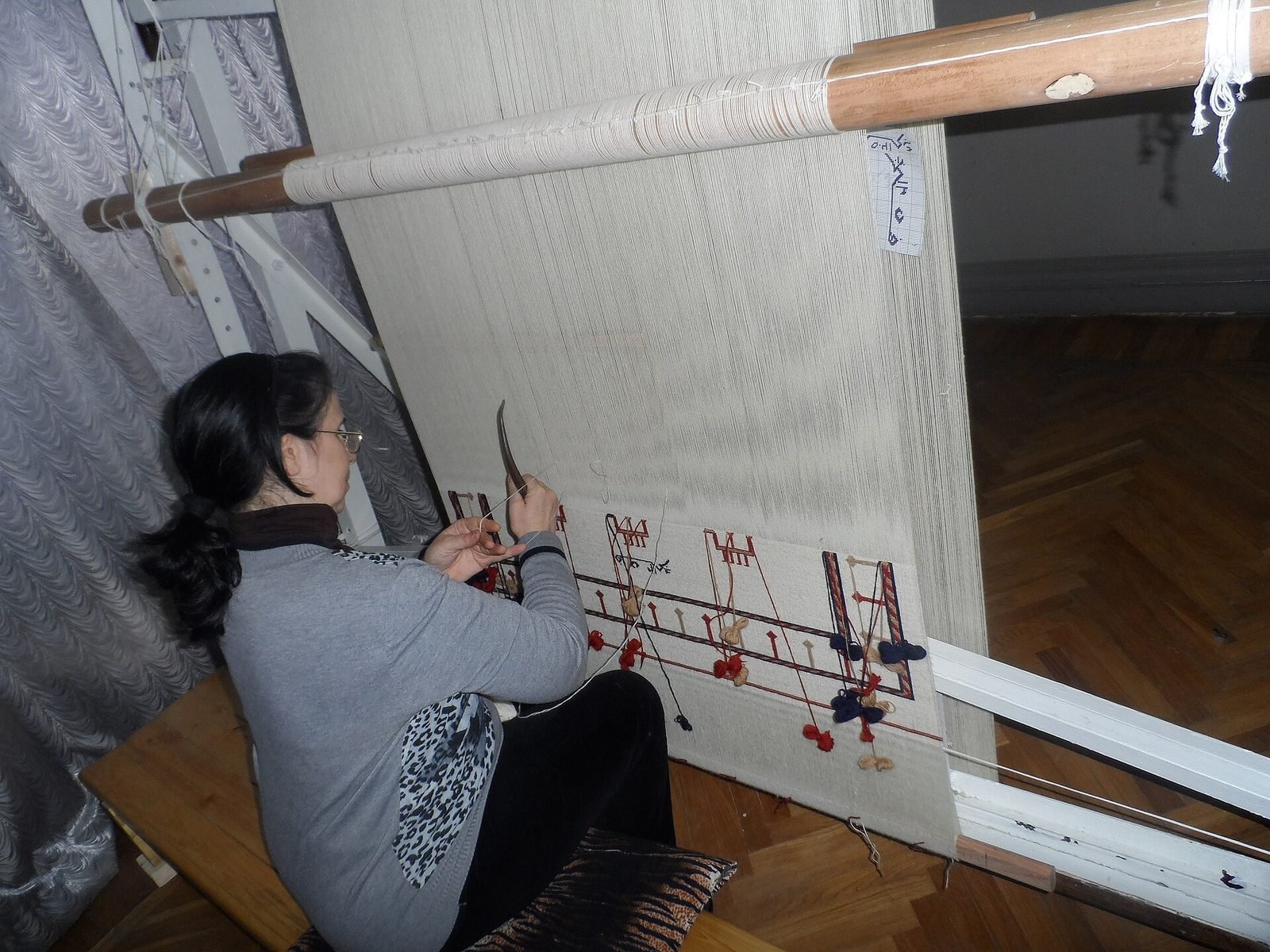
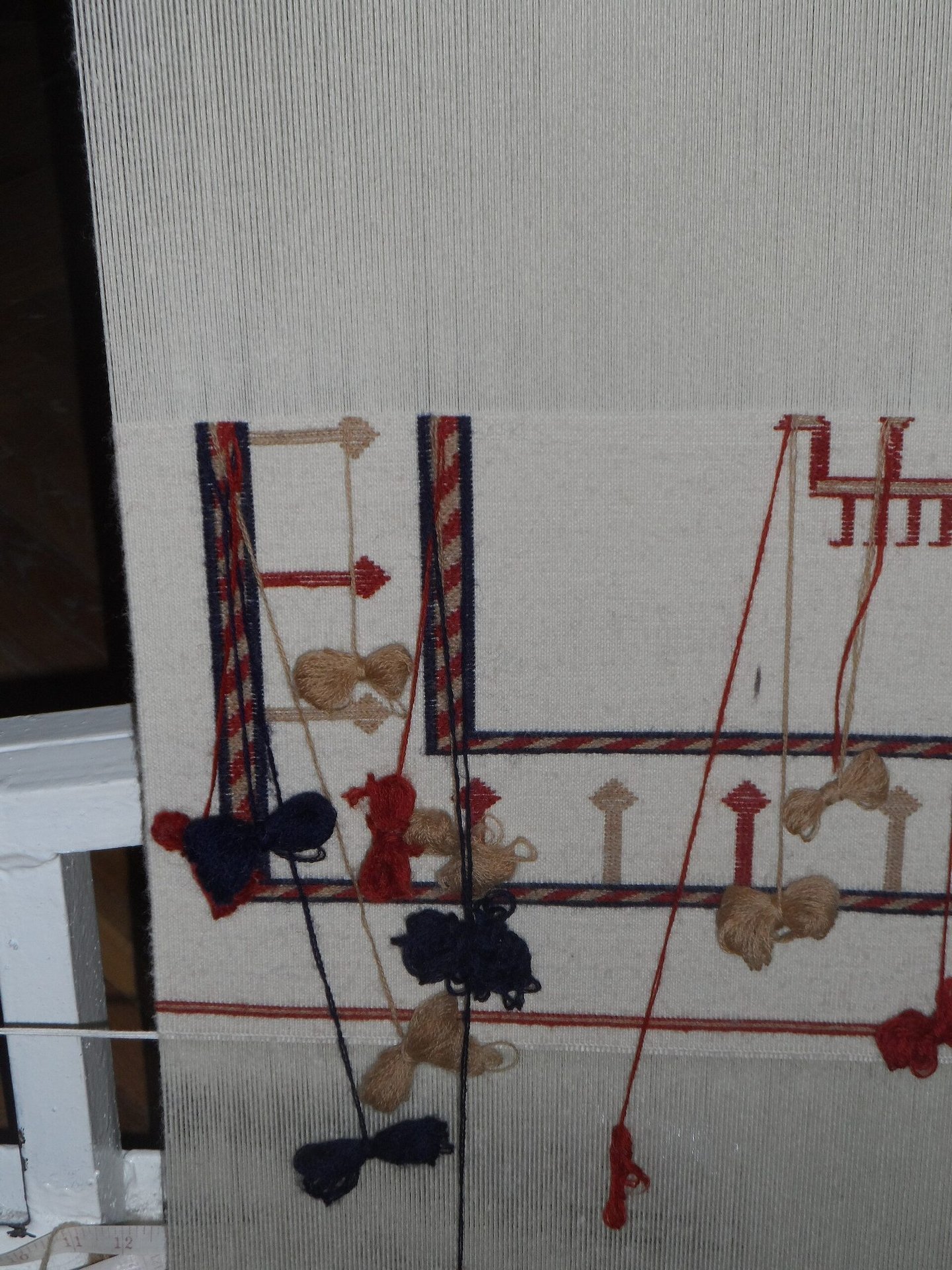
In Azerbaijan the carpet is woven by hand, knot by knot, on a vertical loom. A large carpet takes months, even years, of painstaking work. But technique is only half of it: the pattern is what matters.
Every ornament carries meaning. Göl medallions, the buta motif, stylised animals, plants and talismans form a text that the weaver “writes” with thread.
Pile
Classic knotted carpets with a dense pile — the most famous and the most labour-intensive.
Flat-woven
Kilim, sumakh, palas, verni — flat-woven pieces, each with its own technique and pattern.
Ornament
Göls (medallions), buta, crosses, stars, animal figures — every sign with a meaning.
Colour
Traditionally natural dyes were used: madder, indigo, bark, pomegranate skins.
Material
Wool, less often silk and cotton. How long a carpet lives depends on the quality of the yarn.
UNESCO heritage
In 2010 the traditional art of the Azerbaijani carpet was added to the UNESCO heritage list.
 Handwork
From hand to hand
Knowledge that is not written down
Patterns and techniques pass from mother to daughter, from master to apprentice — more by memory than by notes. This is the “intangibility” of the heritage: it lives in people’s hands.
The Carpet Museum keeps not only the carpets themselves but this knowledge too — supporting masters and the teaching of the craft.
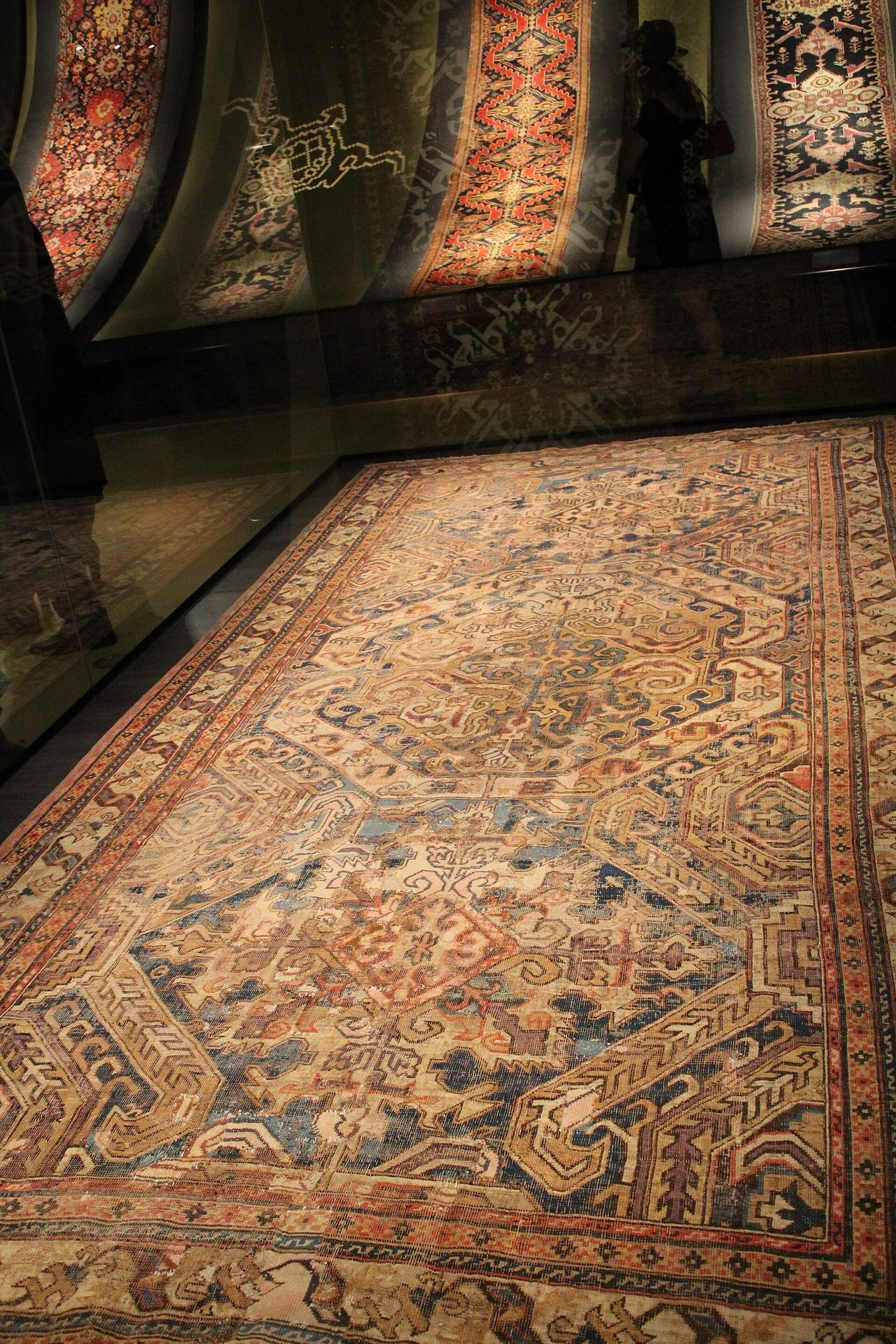
“Every carpet hides the maker’s name — but written in pattern, not in letters.”
The language of ornament